
Beyond the Workbench: The Hidden Value of Skilled Trades
It is often difficult to grasp the true importance of academics until you have a tangible goal to work toward. Sometimes, you have to pick your destination first and work your way backward to figure out the steps to get there.
Finding someone willing to share their story and guide you along that path is invaluable. That might mean taking a tour of a specialized school, finding a music teacher who specializes in the exact style that moves you, or shadowing a master in a skilled trade.
In an ever-changing professional landscape saturated with digital career paths, the profound value of skilled trades is frequently overlooked. But when you study a trade, the abstract concepts you learned in grade school suddenly serve a purpose. Math becomes the foundation for precise measurements; writing becomes the tool for communicating complex ideas to a client. Hand skills are never just about the physical movements—they are about the synthesis of knowledge required to make the vision a reality.
Breathing Life into History
To see how these skills intersect, you don't have to look any further than our front counter.
We frequently have antique instruments come through the doors at Quinn’s, most often old violins or guitars. A customer might bring in a family heirloom seeking a rough evaluation or wondering if the cost of repair is worth the investment. Sometimes, an instrument is exceptionally old, and our work begins not at the workbench, but at the desk.
We have to become detectives and historians:
Who was the maker? Where are they from? What was their career like? How did this instrument make its way to our store? We have worked on instruments from all over the world, dating as far back as the late 1700s. Understanding the history of an instrument is vital so we can educate the customer, empowering them to make informed decisions about its maintenance and care.
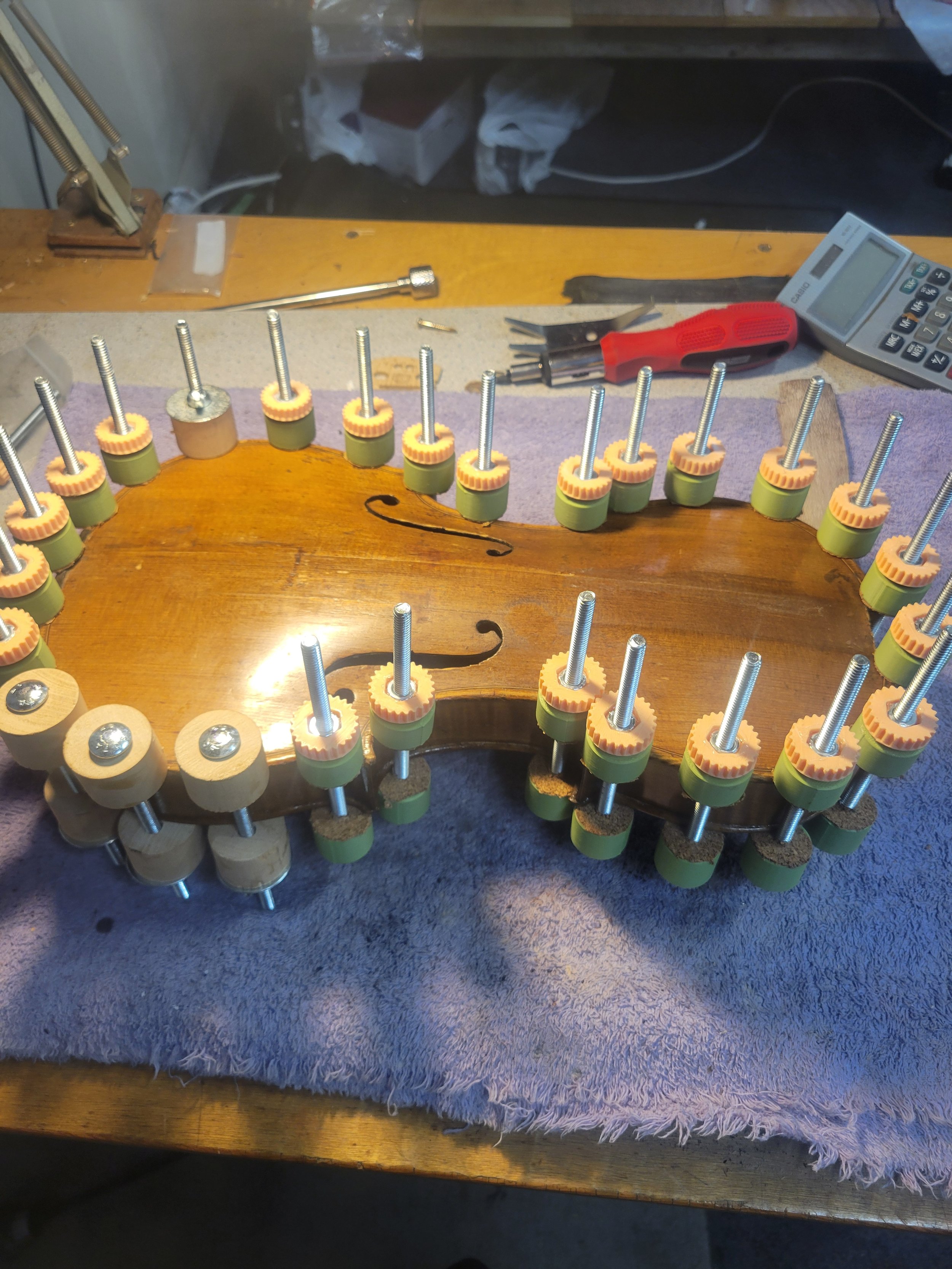
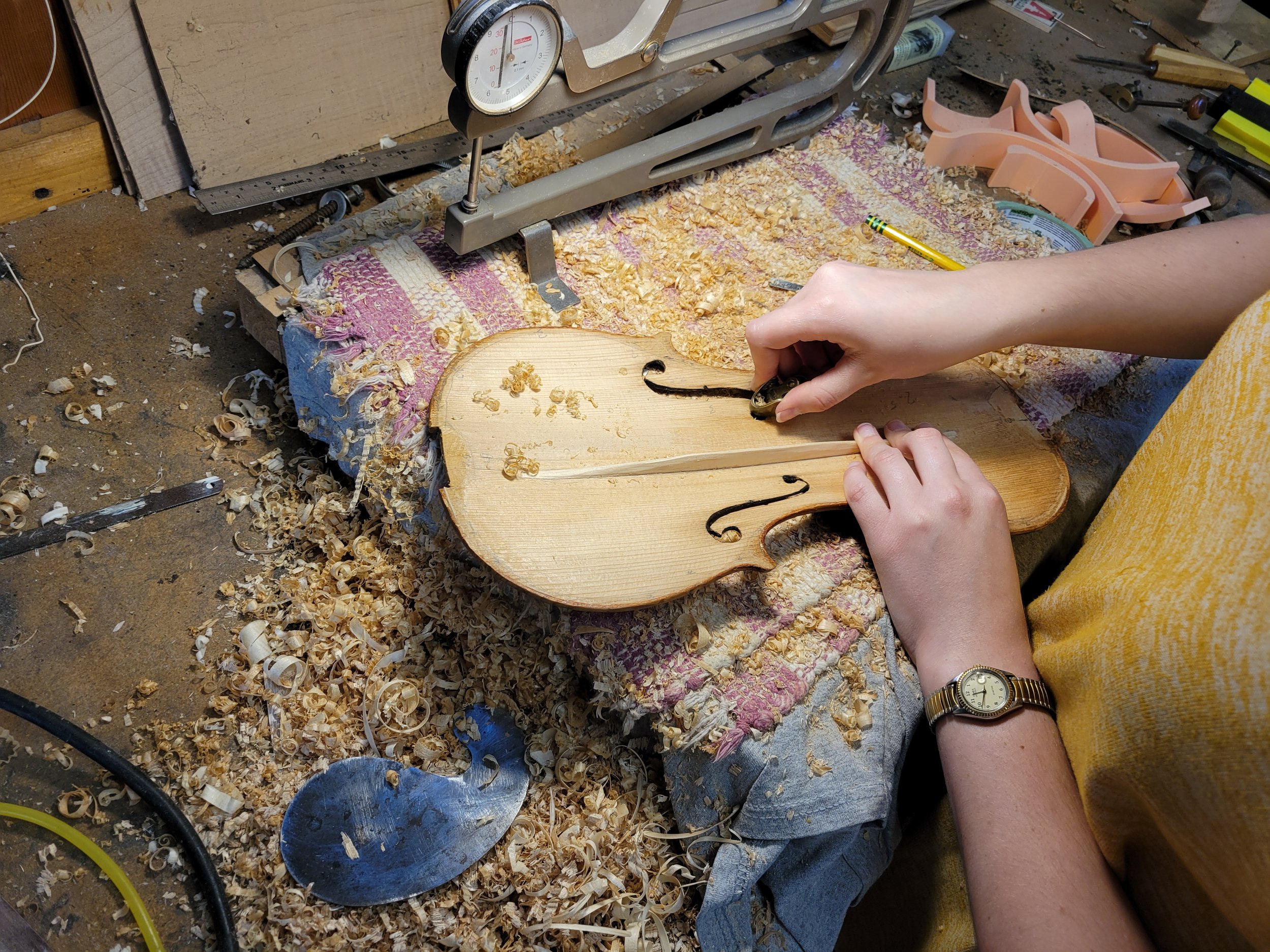
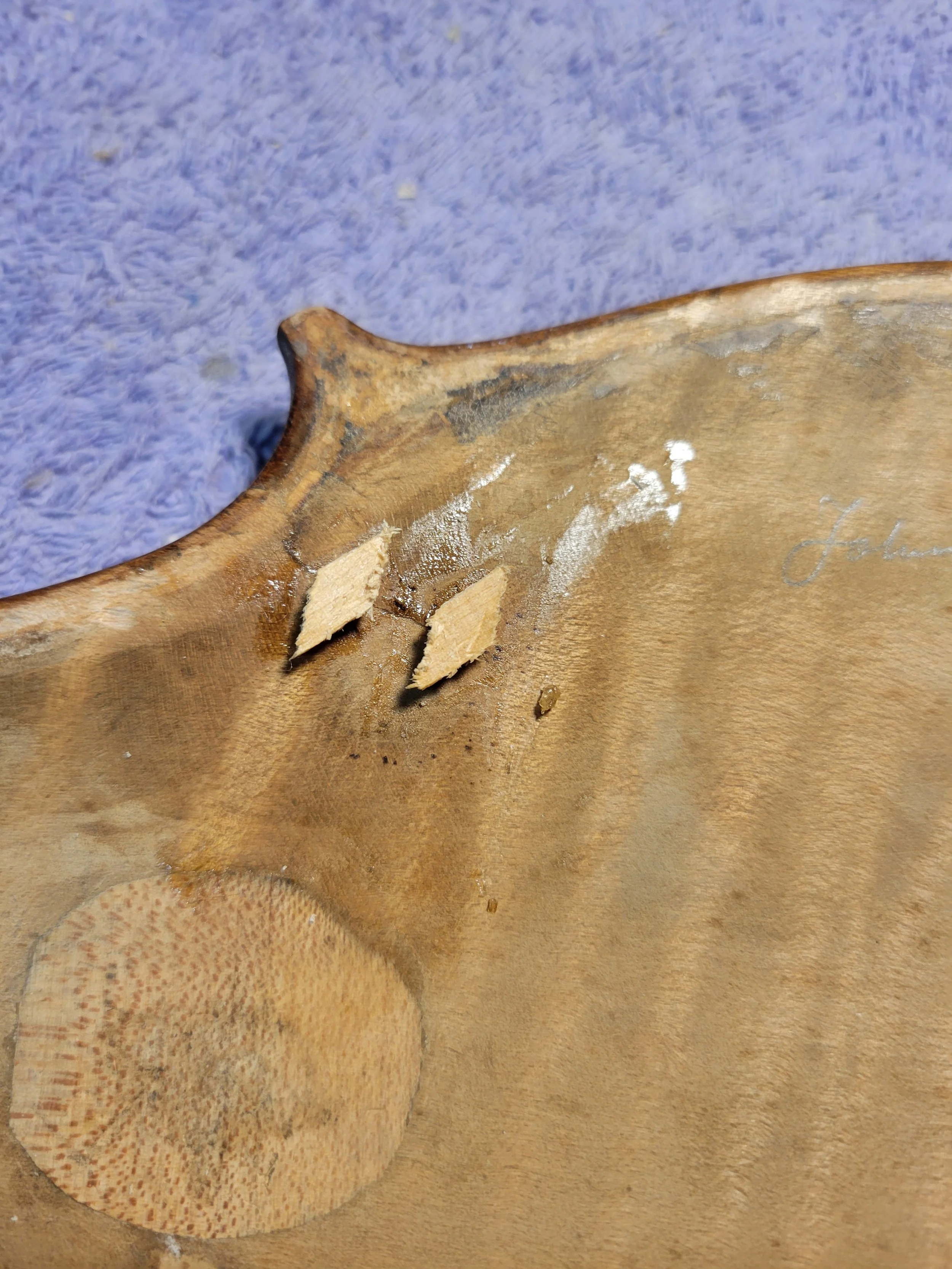
If the customer decides they want the instrument restored to playable condition, a new set of skills takes over. You have to understand exactly how the instrument was built in its specific era. You must know how to carefully deconstruct it and rebuild it, ensuring the craftsmanship matches or exceeds its original, historic quality.
The Master's Responsibility
In this single example of restoring a violin, you can see the vast host of skills required to serve a customer appropriately. It demands historical research, communication, mathematical precision, and elite hand skills.
If you are already a master craftsman or a skilled artist, we encourage you to consider passing your knowledge on to the next generation. At Quinn’s, we believe in keeping these traditions alive. We offer violin craft apprenticeships and hands-on instruction focusing on the care, maintenance, and repair of the violin family of instruments.
Interested in learning the trade? We will have an opening for a new apprentice this coming January. Please contact us or stop by the store to learn more about how you can start building a career with your hands.
